



Model of Montserrat Palace in Spain
It is a historic architectural complex located in the Montserrat Mountains near Barcelona, Spain. Located on a picturesque mountaintop, overlooking the surrounding countryside and the distant Mediterranean Sea. The history can be traced back to the Middle Ages, initially as a monastery, which was later converted into a palace in the 19th century. The name comes from the patron saint of Catalonia, Saint Montserrat, which is not only a religious holy site but also a center of art and culture. The architectural style combines Gothic and Baroque elements. There is also a museum showcasing art works from ancient to modern times, including paintings, sculptures, and ceramics.

St Mary's Church
St. Mary's Church is a church located in Berlin, Germany. It is located in Karl Liebknecht Stra ß e (formerly Kaiser Wilhelm Stra ß e) in the center of Berlin, near Alexanderplatz. The original building age of this church is uncertain, but a record from 1243 mentions the location where a Jewish person was accused of stealing holy cakes. This church is also recorded in the German chronicles of 1292, suggesting that it was built in the early 13th century.
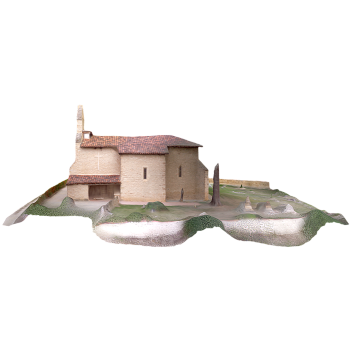
Carla Church
The Eglise du Carla church is located in the village of Carla in southern France, near the city of Tours. This church is a Roman Catholic building with a history dating back to the 15th century. The architectural style of this church is Romanesque, and it was built on an ancient Gallo Roman site.

Mauran Church
The Mauran Church (Eglise de Mauran) is located in the village of Mauran in southern France, south of the city of Tours. This church is a Roman Catholic building with a history dating back to the 13th century. The architectural style of this church is Romanesque, and it was built on an ancient Gallo Roman site.
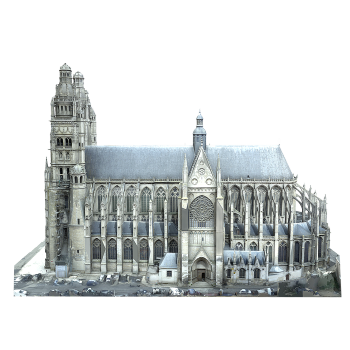
Tours Cathedral
The Cath é drale Saint Gatien de Tours is a Roman Catholic church located in the city of Tours, France, built in memory of Saint Gatien. This church is the location of the Archbishop of Tours and the cathedral of the Diocese of Tours. Its construction began in 1170 and was completed in 1547.

Uppsala Cathedral supports Vision Pro visual experience
Uppsala Cathedral is located in the city center of Uppsala in southeastern Sweden, between the main building of Uppsala University and the Firis River. This church is part of the Swedish State Church, a traditional Lutheran church, and also the location of the Archbishop of Sweden. In addition, this church is also the burial site of the Swedish national guardian saint and King Eric IX, who reigned from 1120 to 1160. The current Archbishop is Martin Modus, and the current Bishop is Karin Johanneson.

Roman Baths
The ancient Roman baths were a common facility in Roman Empire cities designed for bathing and leisure. The bathhouse includes rooms of various temperatures, as well as swimming pools and places for reading, relaxation, and socializing. The Roman baths, with their large coverage space, play an important driving role in architectural innovation, especially in the use of domes.

University of Paris I Panth é on Sorbonne
The University of Paris I, also known as Universit é Paris I Panth é on Sorbonne in French, stands for "Universit é Paris I - Panth é on Sorbonne", abbreviated as "La Sorbonne" or "Sorbonne University", and also known as "Paris I" or "University of Paris I". This university is located in the capital of France, Paris. Its predecessor was the Paris Sorbonne Theological Seminary, which was founded in the 13th century and has a history of 800 years, making it the oldest university in Europe and even the world.

Boromir Palace
Palazzo Borromeo "is a 13th century building in Milan, Italy, located on the city square of the same name, Borromeo Square. This palace was built by the Borromeo family in the 13th century. At that time, the Borromeo family (originally from Florence) quickly consolidated their influence in Milan and northern Italy, partly due to their good relationship with Duke Francesco I Sforza. This palace eventually became the center of what is known as the "Borromeo Castle" in the city. The Borromeo family celebrates and holds events here, such as knightly races.

Opera National de Paris
The Op é ra National de Paris is a representative opera and ballet troupe in France. The Paris National Opera was established in 1669 and is a public institution under the jurisdiction of the French Ministry of Culture. The performances at the Paris National Opera include works by masters such as Verdi, Bizet, Rossini, Mozart, Cavalli, Saint Sa ë ns, Offenbach, Enesco, Berlioz, and others.

Old St Paul's Cathedral model
Old St Paul's Cathedral was built from 1087 to 1314 and dedicated to St. Paul. This building may be the fourth church on Ludgate Hill, dating back to the 7th century. The construction of the church began after a fire in 1087, which destroyed the previous church. The work took over 200 years, during which the architectural style of the church changed from Norman Romanesque to early English Gothic.

Le Mont Saint Michel
Le Mont Saint Michel is a small island in the Normandy region of France and an important tourist attraction. This small island is famous for its magnificent monastery, built on a rocky hill surrounded by vast swamps and rapidly rising seawater. The history can be traced back to the 8th century AD, when it is said that Bishop Aubert built a small church here under the guidance of Archangel Michael.

Oyster Island Castle
Oyster Island Castle, also known as Oyster Island, is a historic castle located in the Czech Republic. It was built during the period when semi wooden aristocratic castles were replaced by more sturdy Gothic castles.

St. Peter's Church in Prades, France supports Vision Pro visual experience
St. Peter's Church is an important building from the 17th century, built on the foundation of a Roman church, and today still retains the Lombard style bell tower from the 12th century. There are 14 small churches next to the nave of the church. The altar painting of the main altar, created by Catalan sculptor Joseph Sunyer in the late 17th century, is the largest Baroque altar painting in France.

Fort Pat é in France supports Vision Pro visual experience
Fort Pat é is a compact fortress located on a small island in the Gironde River. Along with Blaye's castle and M é doc's fortress, Fort Pat é can cut off water passages through crossfire. It was built between 1689 and 1693.

Chateau Bretchet in France
It is a medieval building located in the city of Misirac in the Loire department of the Atlantic in France. It was first built in the 14th century and underwent reconstruction in the 19th century. It has been listed as a historical monument since January 7, 1926, and its surrounding environment has also been listed as a protected area since May 17, 1943. Attracting tourists with its romantic and charming architectural style, although the interior is not open to the public, its outer courtyard is available for visitors to visit and appreciate the environment listed as a historical monument. Currently, it is a luxury hotel and restaurant surrounded by an 18 hole golf course, providing visitors with a place that combines historical value with modern comfort.
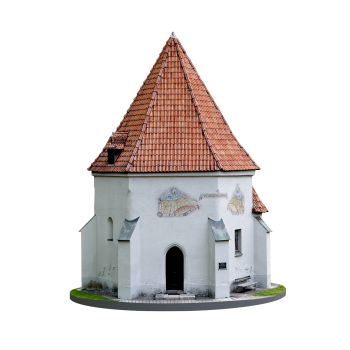
Maria Magdalena Chapel
It is a hexagonal central building built in the first half of the 13th century. It has a tent style roof and a circular rear hall. This building was once used as a bone storage hall and is now used as a funeral home. Known for its unique hexagonal design and tent roof, these features make it particularly distinctive in medieval architecture. The circular rear hall adds beauty to the building and makes it more harmonious structurally. As a place for storing remains, it has witnessed the end of many lives and commemorations. Now transformed into a funeral home, continuing to provide a space for people to mourn and bid farewell.

Makaravank Monastery in Armenia
A medieval architectural complex located in Tavush Province, Armenia, situated on the slope of Paitatap Mountain, approximately 3 kilometers from Achajur village. Built in 1205, it was constructed using pink andesite. It also includes an ancient church from the 10th to 11th centuries, as well as the St. Astartesin Church built by Abbot Hovhannes in 1198, known for its exquisitely carved portal. Although the monastery is no longer in use, its ruins are well preserved and serve as important witnesses to Armenia's medieval religious and cultural history.

Ruins of Tabor Castle, Austria
A historical site located in Austria. It was once mistaken for a Roman era building, but in fact, the origin of this castle can be traced back to the Middle Ages. The specific function and historical background are not yet fully understood, but as a landmark and historical site, it has significant importance for the local culture and history. Attracting numerous tourists and history enthusiasts, it is not only an important place to explore medieval architecture and history, but also a great destination for photography and outdoor activities. The combination of natural scenery and ruins around provides a unique experience, allowing people to glimpse the life and defense works of the medieval period.

Rakvere Castle, Estonia
Lakverei Castle is a historic castle located in Estonia. It is located in the city of Rakvere in northern Estonia and is one of the most important medieval buildings in the country. Built in the 14th century, it was initially constructed as a defensive fortress. It is situated on a small hill, surrounded by magnificent city walls and moats. The design of the castle reflects the military architectural style of the Middle Ages, including sturdy stone walls, fortresses, and defense towers. It has been occupied and rebuilt by rulers of different powers multiple times in history. It was once an important military base for the Kingdom of Sweden and the United Kingdom of Denmark and Norway. Nowadays, it is open to the public as a museum and tourist attraction.

Circular Romanesque Church
The circular Romanesque church is a unique and beautiful architectural style that was prevalent in Europe from the 11th to the 13th century, blending elements of Romanesque and Byzantine styles. Known for its unique circular flat layout, it is typically constructed using sturdy stones. Usually, there is no traditional cross shape in the center of a church, but rather a circular, elliptical, or octagonal plane with a dome or semi-circular dome at the top. It was very popular in Europe at that time, representing the heyday of medieval architecture. Becoming the religious and cultural center of the local community, attracting believers and tourists to visit and worship.

European medieval style countryside windmill house cottage

Popular Models
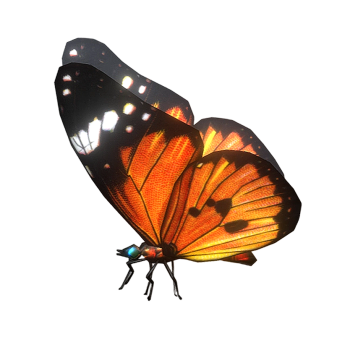
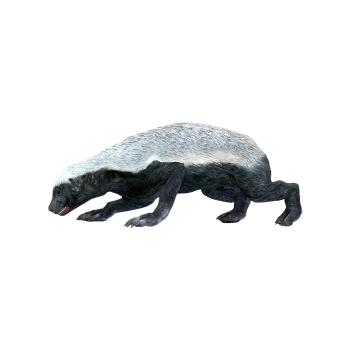
Honey Badger (3D animated model)
192 View
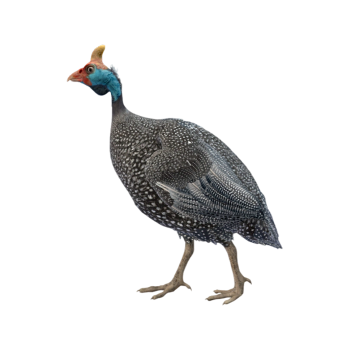
Guinea fowl (3D animated model)
163 View
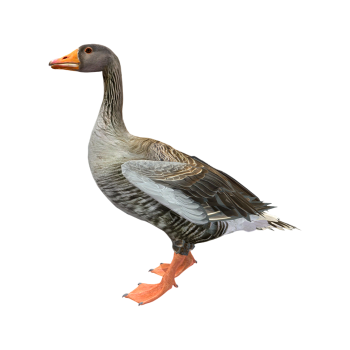
Wild Goose (3D animated model)
185 View
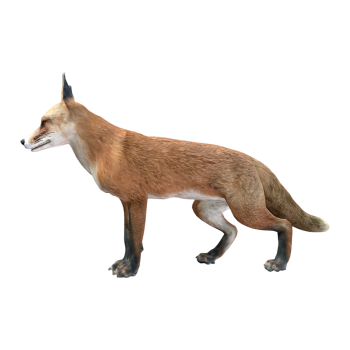
Red Fox (3D animated model)
153 View
Random Model


Primitive bird fossils
944 View

regulated power supply
1025 View

LadaNiva (1980 model)
1590 View

Apartment
642 View

British World War II Airborne Helmet
673 View

Red Fire Ant 3D Model Animation
1024 View

Ragnar Castle Farm Pig House
853 View

Black Sports Vest
762 View
